Biophotons and Gut Flora: Why Coherence Matters More Than Microbes
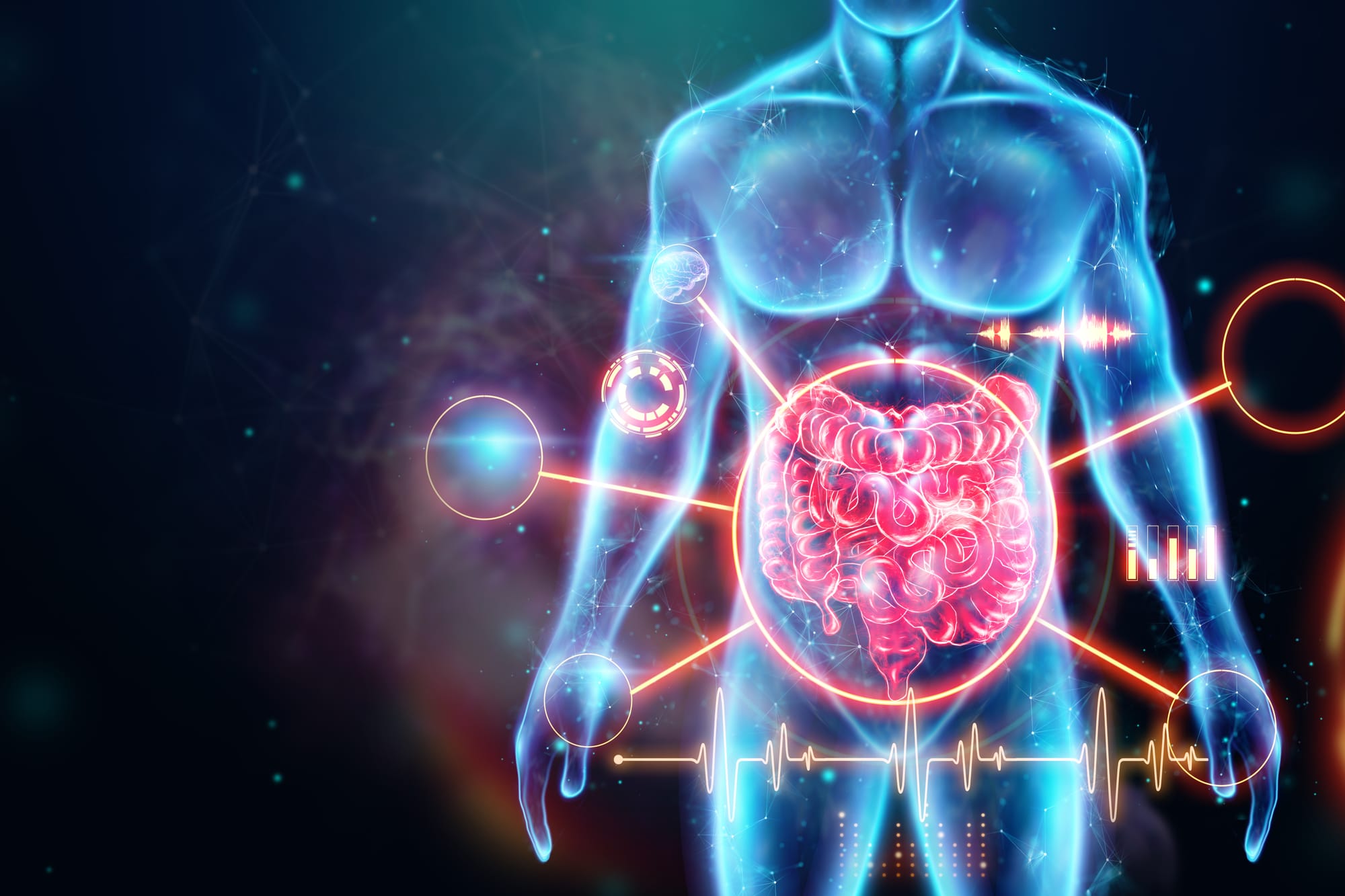
The gut processes not only food, but also the emotions we carry. Antibiotics, poor sleep, and unresolved emotion can disrupt the rhythm between the brain and the digestive system. When that timing is off, coordination breaks down—microbes shift, intestinal movement gets disrupted and signals show up as bloating, cramps, acid reflux, irregular stools, or new food sensitivities.
Biophoton work helps the body clear and organize its internal signals. Cells and microbes emit ultra-weak light as part of normal metabolism, and this light becomes disordered when the system is overwhelmed. Light is information. When the signal becomes clear again, microbial communities often reorganize toward stability—without forcing, suppressing, or chasing labels like “good” or “bad” bacteria.
This is consistent with current research: the idea of a single, ideal gut flora is scientifically unsupported. A major review states, “Whether a healthy microbiome can be defined is an important and seemingly simple question, but with a complex answer…”—and the term “dysbiosis” still lacks a universal definition or proven role as cause versus consequence. As a result, tests claiming to diagnose “imbalances” cannot reliably define what any individual microbiome should look like. Source: Establishing What Constitutes a Healthy Human Gut Microbiome (ScienceDirect link)
Biophoton sessions target coherence across the gut lining, the enteric nervous system, and the microbe–host dialogue. Many people report less post-meal discomfort, reduced bloating, easier elimination, calmer mornings, and a more grounded relationship with food—clear signs of improved coordination rather than micromanaging bacterial species. Light influences the gut more directly than most people realize. Ultra-weak photon emissions reflect the body’s reduction–oxidation (redox) balance and shift with light-based input.
In simple terms: coherence supports repair, and light is one of the fastest ways the body organizes itself. For anyone tired of microbiome hype and looking for practical support, biophoton sessions offer more coherence—and a gut that remembers how to function from the inside out.
The Gut-Light Connection. Food carries stored sunlight; cells and microbes translate that information into timing and repair. Changes in environmental light can influence gut patterns within days, pointing to a wider gut–light–immune dialogue.
Microbes Making Decisions For You. Bacteria sense context and adapt—altering behavior based on signals, not slogans. When the body’s communication improves, things calm down and work more smoothly.
Practical tips to support the microbiome between sessions:
• Step outside within an hour of waking.
• Chew more than seems necessary.
• Leave a gentle buffer between the last meal and sleep.
• Favor single-ingredient foods most of the time.
• Hydrate away from meals.
• Keep screens dim and distant at night.
• Make only one supplement change at a time so each shift can be clearly tracked.